
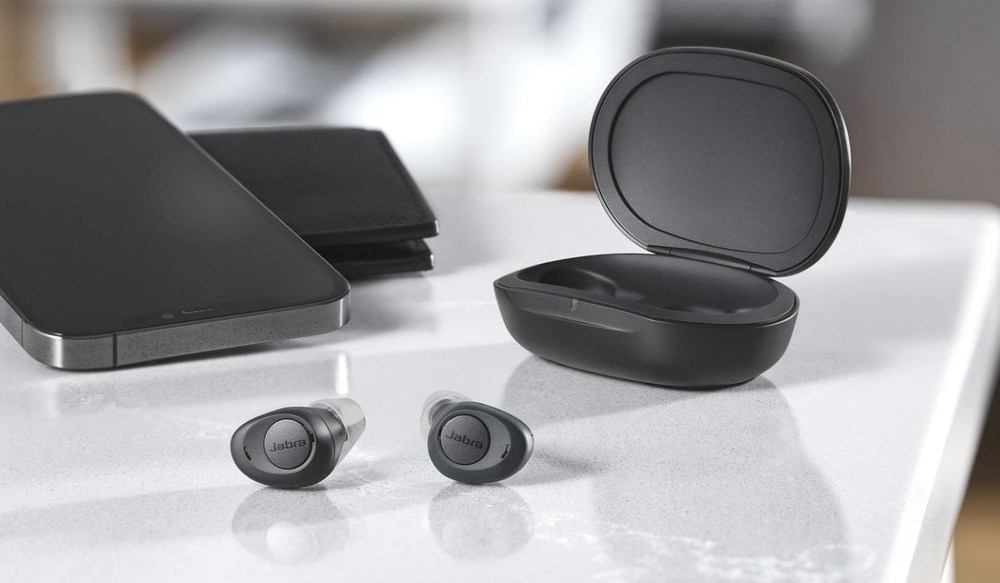
New Cooling Materials Making Hearing Aids More Comfortable
You don’t really find out how comfortable a pair of hearing aids is
By: admin | November 18, 2025
Fall festivals bring plenty of fun, from outdoor concerts and craft fairs to pumpkin patches and corn mazes, but they also create environments where loud sounds are common and can catch you off guard. Live music, cheering crowds, loudspeakers, farm equipment and fireworks all produce noise levels that can damage your hearing if you’re exposed for extended periods without protection. Many people don’t realize how loud these events can be until they leave with ringing ears or temporary hearing changes. The challenge is that hearing damage from noise exposure often builds up gradually over time, so even if your ears feel fine after one festival, repeated exposure without protection can lead to permanent hearing loss down the road.
Protecting your hearing at fall festivals doesn’t mean missing out on the experience or avoiding events you enjoy. It means being aware of when sounds are loud enough to cause damage and taking action before problems develop. Whether you’re attending a harvest celebration with your family, enjoying live bluegrass music at a local fair or watching fireworks at a community gathering, a little preparation goes a long way. Early attention to hearing protection helps you maintain your hearing health for years to come and ensures you can continue participating in activities and conversations without difficulty.
Our auditory system relies on tiny hair cells in the inner ear to convert sound vibrations into electrical signals that the brain can interpret. These hair cells are delicate and essential for detecting different pitches and volumes. When exposed to loud sounds, especially over extended periods, these hair cells can become damaged or destroyed, reducing your ability to hear certain frequencies clearly.
Noise above 85 decibels (dBs), roughly the level of a busy city street, can start to harm your hearing if exposure is prolonged. Many concerts and festival speakers can exceed 100 dBs, placing these hair cells at significant risk. Unlike other cells in the body, once these hair cells are damaged, they do not regenerate, making hearing protection at high-volume events crucial for preserving long-term auditory health.
Fall festivals bring together a mix of sights, sounds and activities that create a lively, often very loud environment. Live music is a major contributor, with bands or DJs frequently producing sound levels between 90-110 dBs, which is similar to standing near a chainsaw or a subway train. Large speakers, amplified PA systems and outdoor stages can push levels even higher in certain areas, making it easy for your ears to become fatigued or damaged after just a short time.
Rides, especially those with engines or mechanical sounds, often reach 85-95 dBs, while games, generators and crowds of people talking, cheering or shouting add even more noise. Food vendors using grills, blenders or other equipment contribute to the overall sound environment as well. When all these sources combine, noise levels in some festival areas can exceed 100 dBs, well above the safe exposure limit for prolonged periods.
Being aware of these loud zones allows you to make choices that protect your hearing. Stepping back from the stage, limiting time near loud rides or using hearing protection can reduce overall exposure. Planning ahead and understanding which areas are the loudest lets you enjoy the festival while lowering the risk of long-term hearing damage.
After leaving a loud environment, you may notice ringing, buzzing or a high-pitched tone in your ears that lingers even when it’s quiet. Sounds may seem muffled or distant, and voices can feel harder to understand, particularly when there is background noise. You might notice certain pitches or high-frequency sounds seem softer or harder to detect than usual.
Other early signs can include difficulty following conversations in crowded areas, asking people to repeat themselves more often or feeling that sounds are uncomfortably sharp or distorted. Some people experience a temporary sensation of fullness or pressure in the ears, while others notice subtle changes in how they perceive everyday noises, like the hum of appliances or traffic. Paying attention to these changes helps you recognize when your hearing may be affected and track patterns over time.
Children’s ears are not just smaller, they are still developing, and the tiny structures inside, including the hair cells that detect sound, are more vulnerable to damage. Their auditory system has not yet fully matured, which makes it easier for loud noises to overwhelm these delicate cells. Sounds that might feel tolerable to an adult can be overwhelming or even harmful to a child’s ears.
Children are also less likely to recognize when a sound is too loud or when it could cause discomfort. They may not instinctively move away from speakers or noisy areas, and prolonged exposure can have a greater impact on their hearing development over time. Even short bursts of high-volume noise, like at concerts, festivals or sporting events, can temporarily affect how their ears perceive sound, and repeated exposure can create long-term challenges.
Spending hours around loud noise at festivals can have lasting effects on your hearing. The risk of permanent hearing loss increases without protection.
Many adults who believe their hearing is fine still show signs of noise-related hearing loss when tested. Damage can occur even if you do not notice changes right away. Limiting long periods of loud noise helps keep your hearing strong and lowers the chance of future problems.
Where you stand or sit at a festival can greatly affect how loud the environment feels to your ears. Sound levels are highest near speakers and stages, and standing directly in front of them exposes your ears to long periods of intense noise. Even moving a little farther back or off to the side can lower the amount of sound reaching your ears. Distance works because sound waves lose energy as they travel, so moving just ten feet farther from a speaker can cut the noise in half. Choosing your spot wisely makes it easier to talk with friends, reduces ear strain and helps protect the tiny hair cells in your inner ear from damage that cannot be reversed.
Festivals are full of natural noise sources beyond the main stage. Bands, DJs and public address systems can reach 100 dBs or more, while rides, generators, large crowds and food vendors all add to the overall sound. Being aware of which areas are loudest allows you to plan breaks and rest your ears. Some quieter spots, like near food stands, rest zones or open spaces away from the main stage, give your ears a chance to recover and prevent overstimulation.
To make your festival experience safer for your hearing, keep these tips in mind:
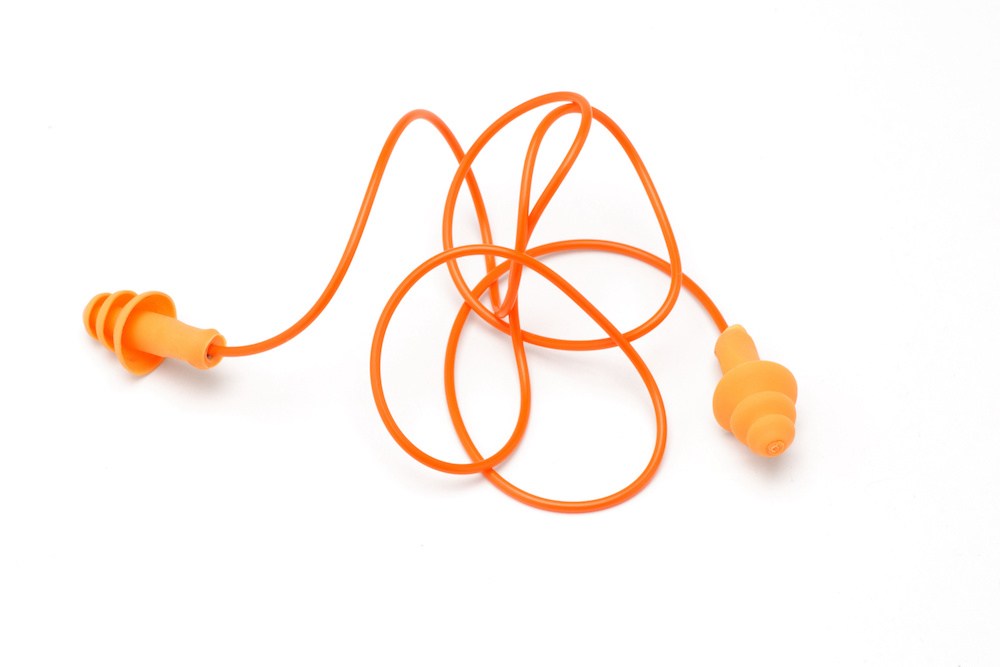
Festivals can be exciting but also extremely loud, making hearing protection an important part of enjoying the day safely. Several types of ear protection can help reduce noise exposure without taking away from the experience. Foam earplugs are widely available and fit most ears, providing a simple barrier against excessive sound. Reusable silicone earplugs offer a more comfortable option that can be washed and used multiple times, while high-fidelity earplugs are designed specifically for music lovers, reducing volume evenly so the music stays clear and enjoyable.
Choosing the right type of hearing protection depends on your comfort, how long you plan to be at the festival and whether you want to maintain sound clarity. Some people prefer a snug fit that completely blocks loud sounds for rides or near speakers, while others like options that reduce the noise just enough to prevent ringing without losing the energy of the music.
Wearing protection might feel unusual at first, but it allows you to enjoy the event fully while preventing temporary or permanent hearing damage. Here are a few hearing protection options to consider at festivals:
After a festival, some people notice ringing in their ears, muffled hearing or trouble understanding speech that does not go away after a day. These signs mean your ears may have been exposed to sounds that were too loud or lasted too long.
If these symptoms last more than 24 hours, it is a good idea to get checked by a hearing specialist. Early attention can help prevent lasting changes in hearing and provide guidance on what steps to take next.
Fall festivals are full of excitement and activity, but the combination of live music, cheering crowds and amplified sound can put your hearing at risk without you even noticing. Being aware of how loud these environments can be and understanding the early signs of noise-related hearing changes is key. Even brief exposures to high sound levels can accumulate over time, making it important to pay attention and stay mindful during each event you attend. Protecting your hearing now helps ensure you can continue enjoying music, celebrations and time with family and friends without interruption.
If you ever have concerns or notice changes in your hearing after attending a festival, reaching out for professional guidance can provide clarity and support. You can contact Bay Area Hearing Care Professionals in St. Petersburg, FL at (727) 202-4330 to discuss any questions or get advice on protecting your ears while enjoying your favorite fall activities.
Tags: hearing loss prevention tips, hearing protection products
You don’t really find out how comfortable a pair of hearing aids is
By: admin | July 26, 2026

If you’ve lived in St. Petersburg for a while, you’re familiar
By: admin | June 25, 2026
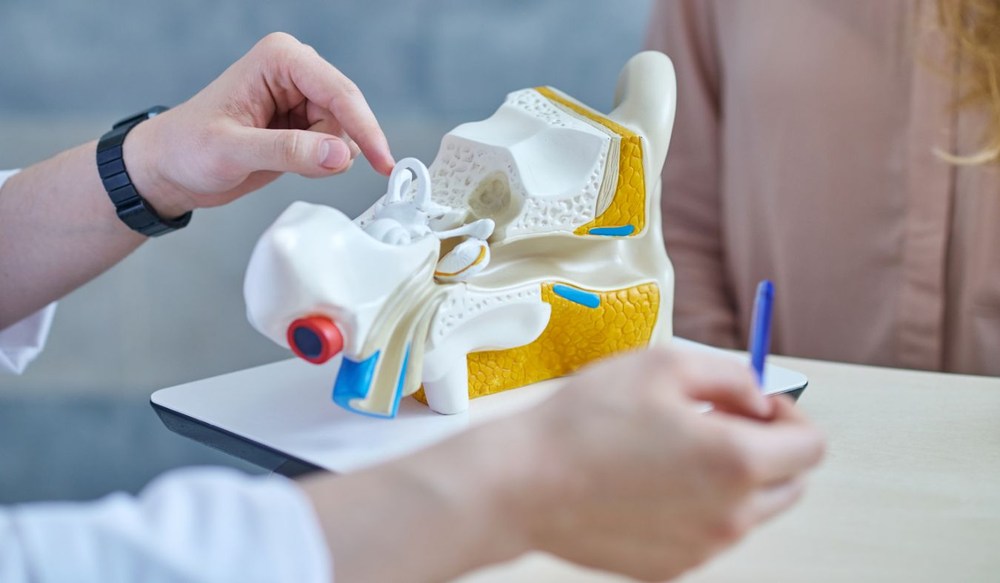
Hearing loss doesn’t usually announce itself with a dramatic moment.
By: admin | January 19, 2026